Every photographer dreams of flat water and golden light. Real yachting schedules do not always allow it. Sometimes the forecast turns the day before the shoot and there is no back-up date: the next morning the yacht leaves for a charter, goes into the shipyard for her refit, or sets off across the Atlantic for the winter season. The images are needed for the listing or the brochure, and this is the only window.
So the shot has to be done, no matter what. Welcome to the world of yacht photography. Over the years we have learnt how to get strong images out of grey skies, wind and even rain, without cutting corners on quality or safety. Here are ten of the tips and tricks we rely on.
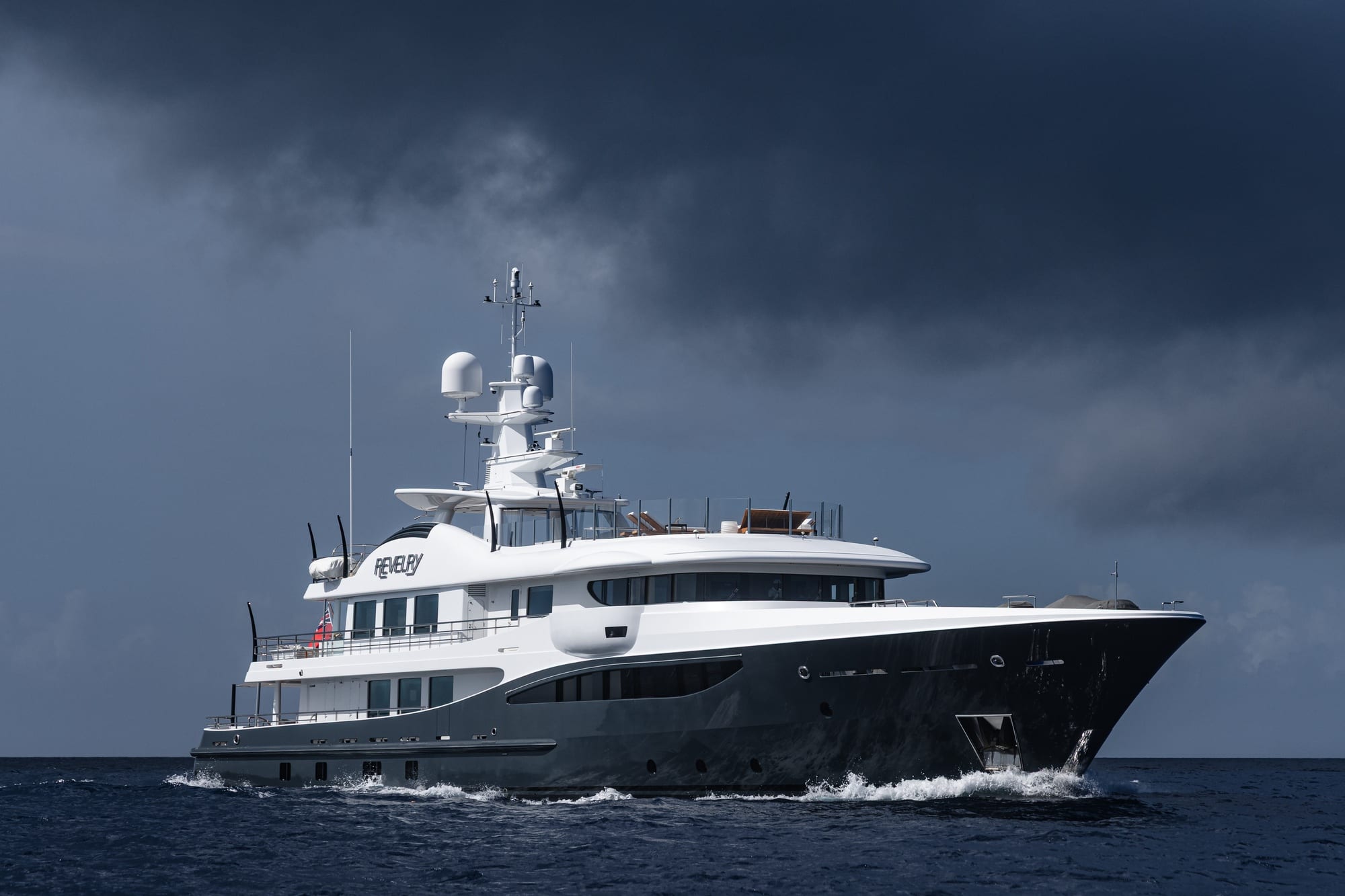
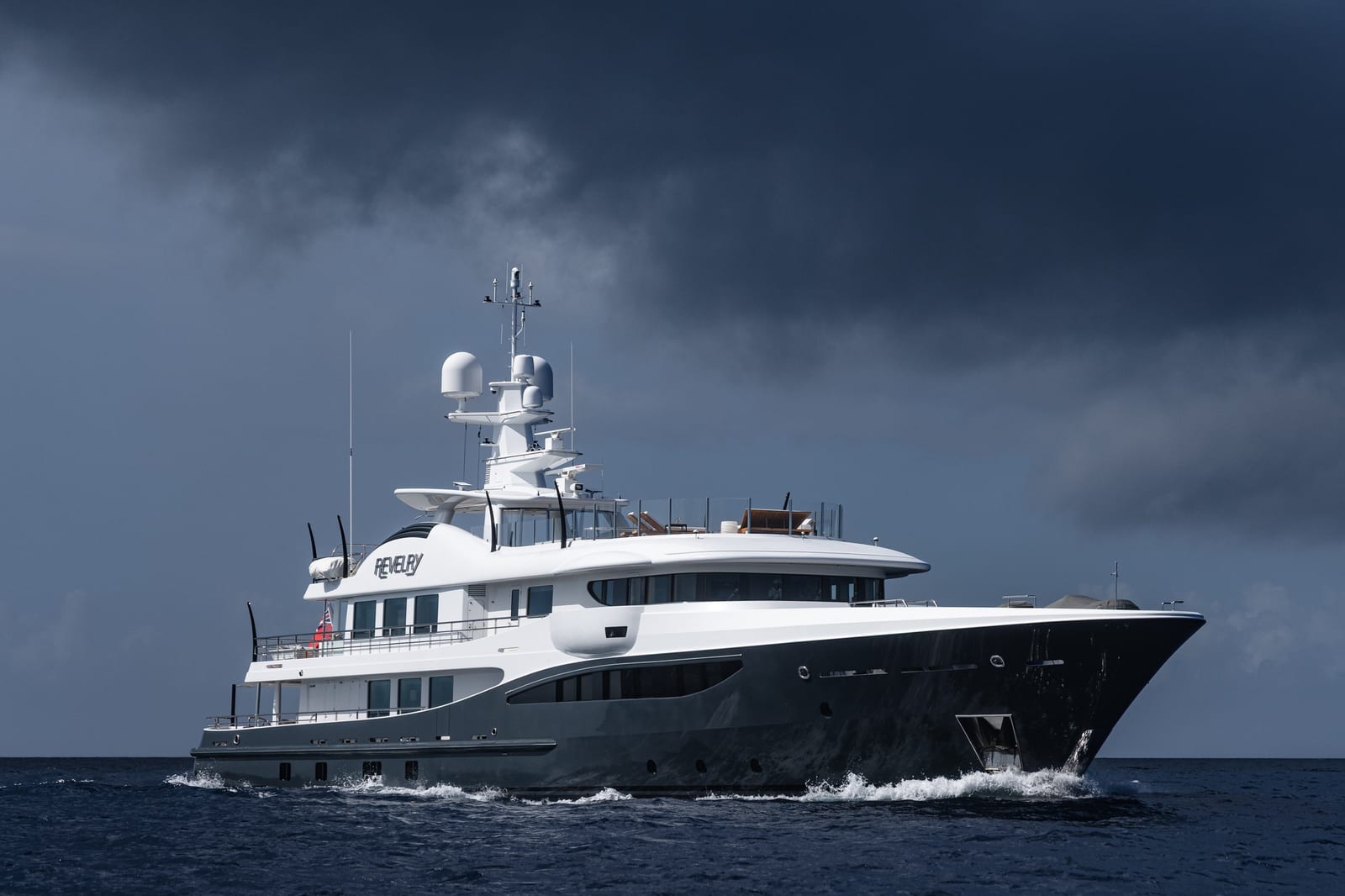
The motor yacht Revelry at the top of this article was photographed in front of a dark storm sky, Dione Star and Alluria in the rain, and Cape Cod II on a grey, unsettled day. None of these shoots could wait for better weather.
1. Read the forecast hour by hour
A bad day is rarely bad all day. Rain bands pass, the wind drops for an hour, the cloud breaks at the end of the afternoon. Hour-by-hour marine forecasts, satellite and radar images show where those windows are likely to open, and the plan is built around them rather than around the clock.
2. Rewrite the order of the day
When the weather changes, the shot list does not, but its order can. Interiors, details, the bridge and the galley can be shot while it rains; exteriors and running shots move into the breaks. Keeping the schedule flexible, and the crew informed, turns a lost day into a reorganised one.
3. Use the clouds as a giant softbox
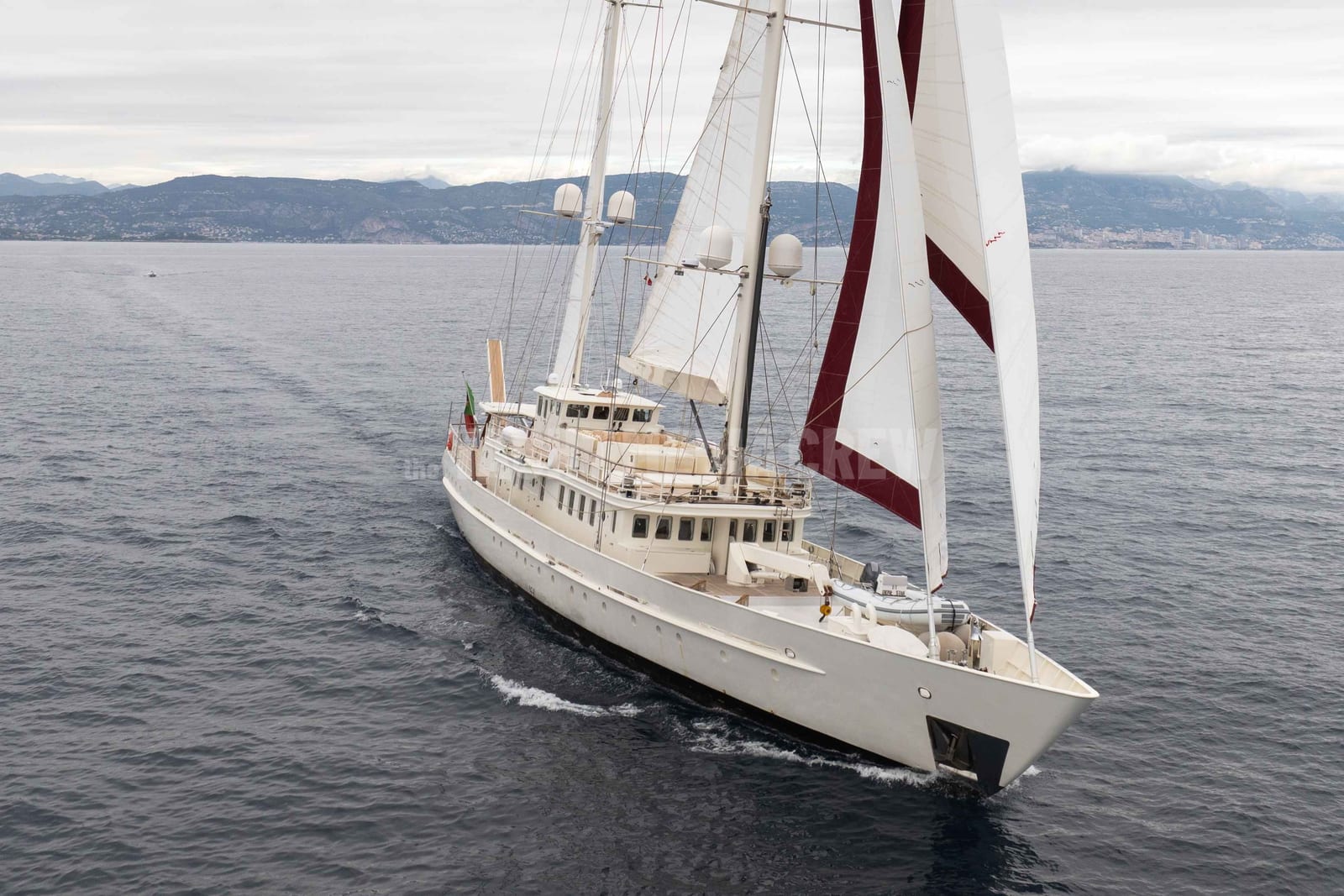
An overcast sky is not the enemy of a white yacht. It spreads the light evenly, removes hard shadows under overhangs and keeps the superstructure from burning out. It is ideal for exterior details, deck spaces and materials, which can look better under soft grey light than under a harsh summer sun.
4. Find shelter for the exteriors
Wind is often a bigger problem than cloud. The lee of an island or a headland can offer calm water a few miles from a rough coastline, and a sheltered bay gives cleaner reflections and a steadier platform for the tender. The captain's knowledge of the local waters is invaluable here.
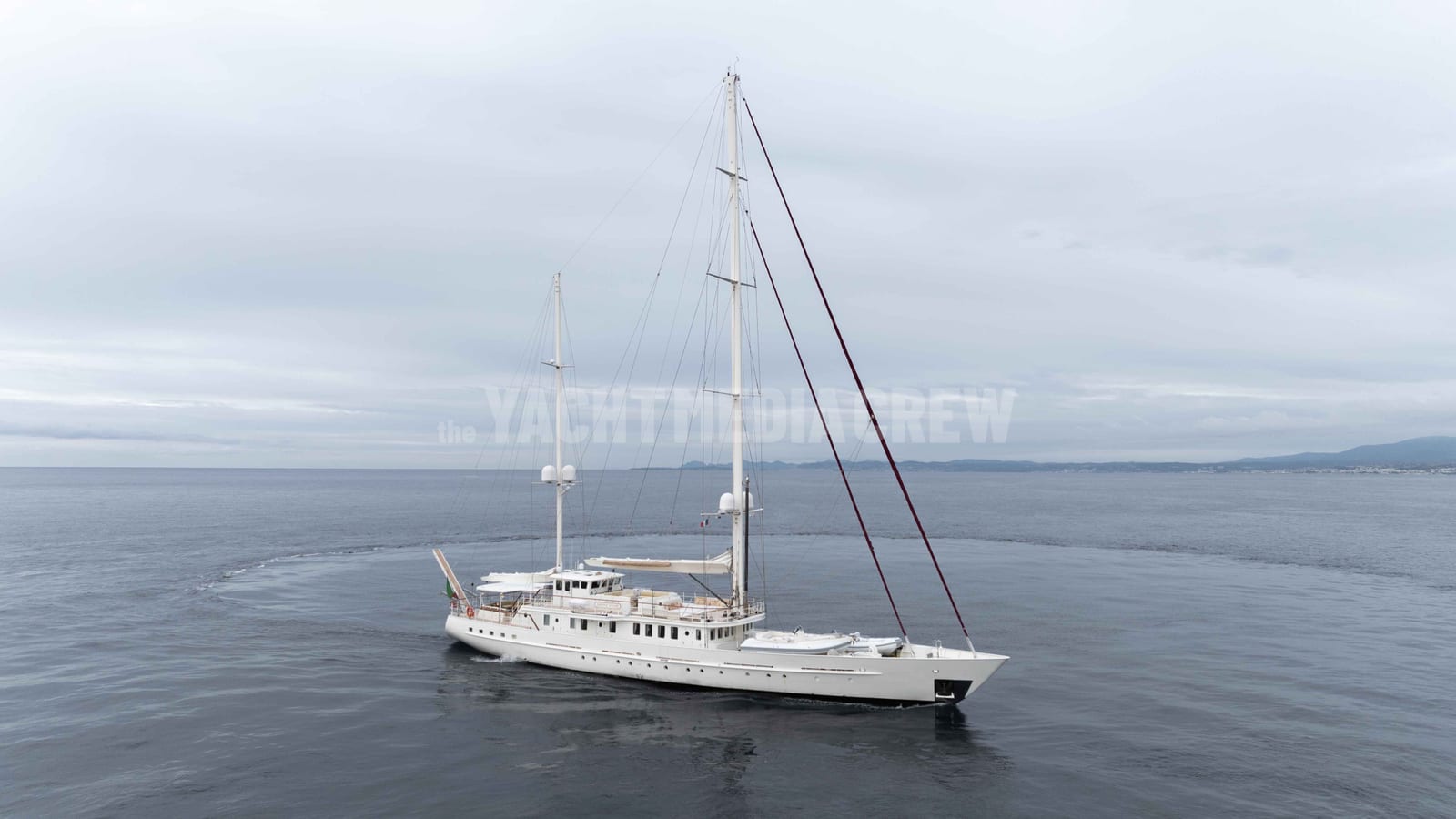
5. Embrace the drama: this is where bad days are won
If there is one tip to remember from this list, it is this one. The biggest mistake on a grey day is to spend it trying to make the images look like a sunny day that never happened. They end up flat, washed out and disappointing. The photographers who come back with great work do the opposite: they stop fighting the weather and start using it.
Bad weather has a mood that blue skies never give. A heavy sky gives weight and scale to the yacht. A dark, textured sea makes a white hull stand out. A break in the clouds throws a shaft of light across the superstructure for a few seconds. Wet teak turns into a mirror, raindrops sit on the glass, and the warm interior lights glow against a cold grey world outside. These are not defects to hide; they are the ingredients of images people remember.
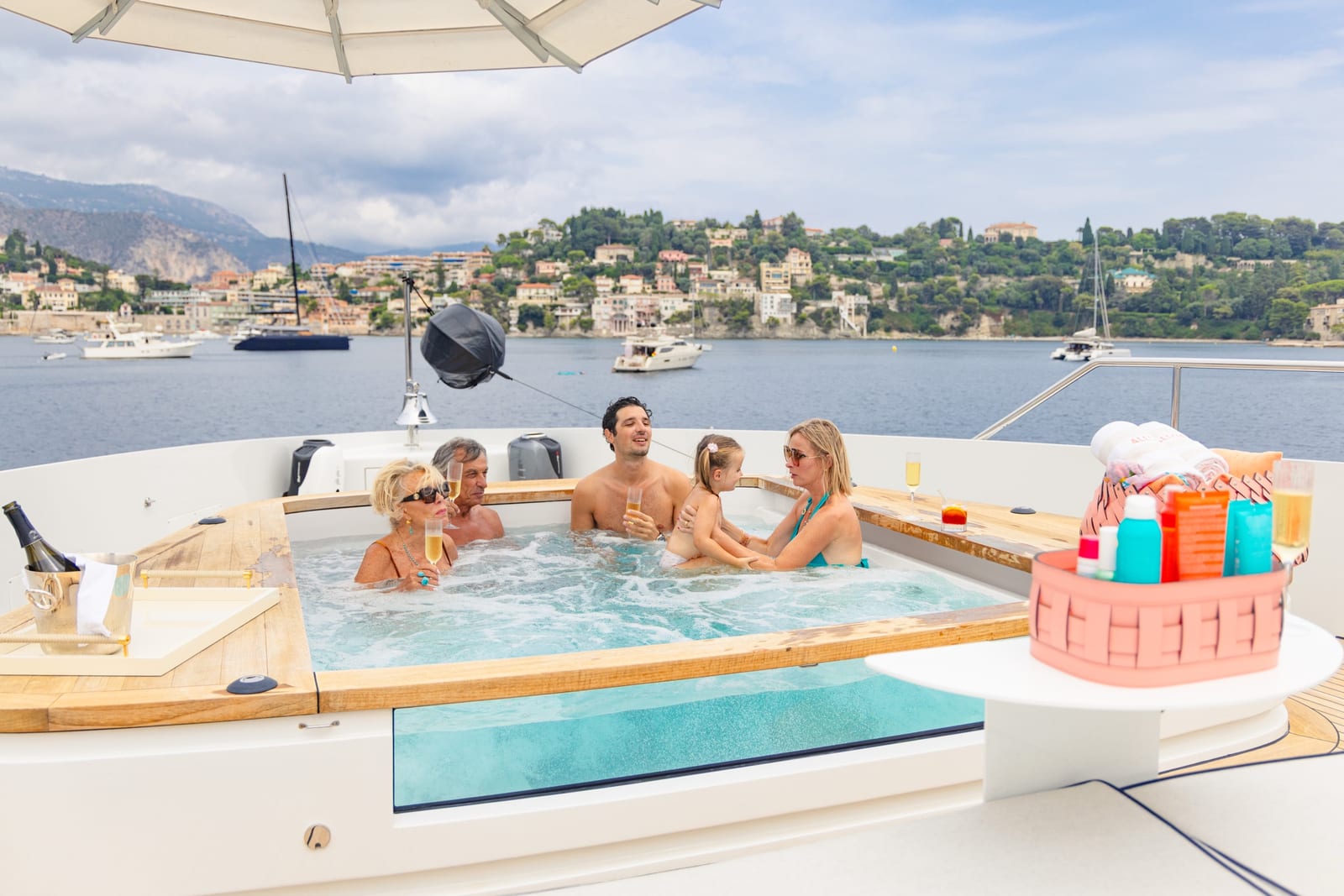
Embracing the drama means changing the way you shoot. Expose for the sky so the clouds keep their detail. Look for contrast between warm and cold, light and dark. Get low, include more sky and sea, and let the weather take up space in the frame. On a lifestyle shoot, lean into the moment: guests laughing in a hot jacuzzi while the rain falls around them tell a far better story than people pretending to sunbathe under clouds.
It also means telling the client early. Explain that the essentials of the gallery will still be delivered, and that the conditions are an opportunity to add a set of images with real character. Brokers and yacht managers rarely get this kind of material, and it often becomes the most shared content of the season on social media and in editorial features.
The yacht is the same whatever the sky. What makes the difference is the eye behind the camera. A photographer who can see beauty in a storm, and build a story around it, turns the worst day of the season into some of its most striking images. That is the key to success when the weather is not on your side.
6. Protect the equipment, and watch for condensation
Salt spray and rain are hard on cameras, lenses and drones. Rain covers, lens hoods, plenty of microfibre cloths and a dry place on board to change lenses are part of the kit on any uncertain day.
Condensation is the less obvious risk. Moving a cold camera from an air-conditioned saloon onto a warm, humid deck fogs the lens and can take several minutes to clear. Letting the gear adjust to the outside air before the key moment avoids missing it.
7. Keep a good mood on board
Let's be honest: shooting a yacht in the rain is every yacht photographer's worst scenario. You have planned the light, the angles and the running passes, and the sky decides otherwise. The equipment suffers, you are soaked, your hands are cold on the camera, and every frame takes twice the effort for half the result. It is easy to get frustrated.
The real danger is when that frustration spreads. A photographer who sighs at every cloud, a crew that starts to believe the day is lost, a captain who senses the doubt: the bad mood becomes a second storm on board, and it shows in the images. People on deck look tense, decisions are made too fast, windows of light are missed because nobody is watching for them anymore.
Staying calm, positive and focused changes everything. It keeps the crew and the models relaxed, it keeps everyone ready for the ten minutes when the rain stops, and it reassures the captain and the client that the shoot is in good hands. Humour helps too: a soaked team that laughs together works far better than a dry one that complains.
In the end, this is part of the job. Anyone can take a beautiful picture of a yacht in perfect conditions; a good yacht photographer is the one who can still deliver when the conditions are at their worst.
8. Make the interiors glow
On a grey day the interiors can look flat and dark, so they need more care. Switch on every light on board, keep colour temperatures consistent, and shoot several exposures of each room so the view through the windows and the interior can be balanced in post-production. A rainy afternoon is often the best time to shoot the saloons slowly and properly.
9. Safety always comes first
No image is worth an accident. Wet teak is slippery, tender transfers are harder in a swell, and the captain always has the final word on what the yacht and the crew can safely do. A good media team plans every move with the bridge and knows when to stop and wait.
10. AI retouching can help
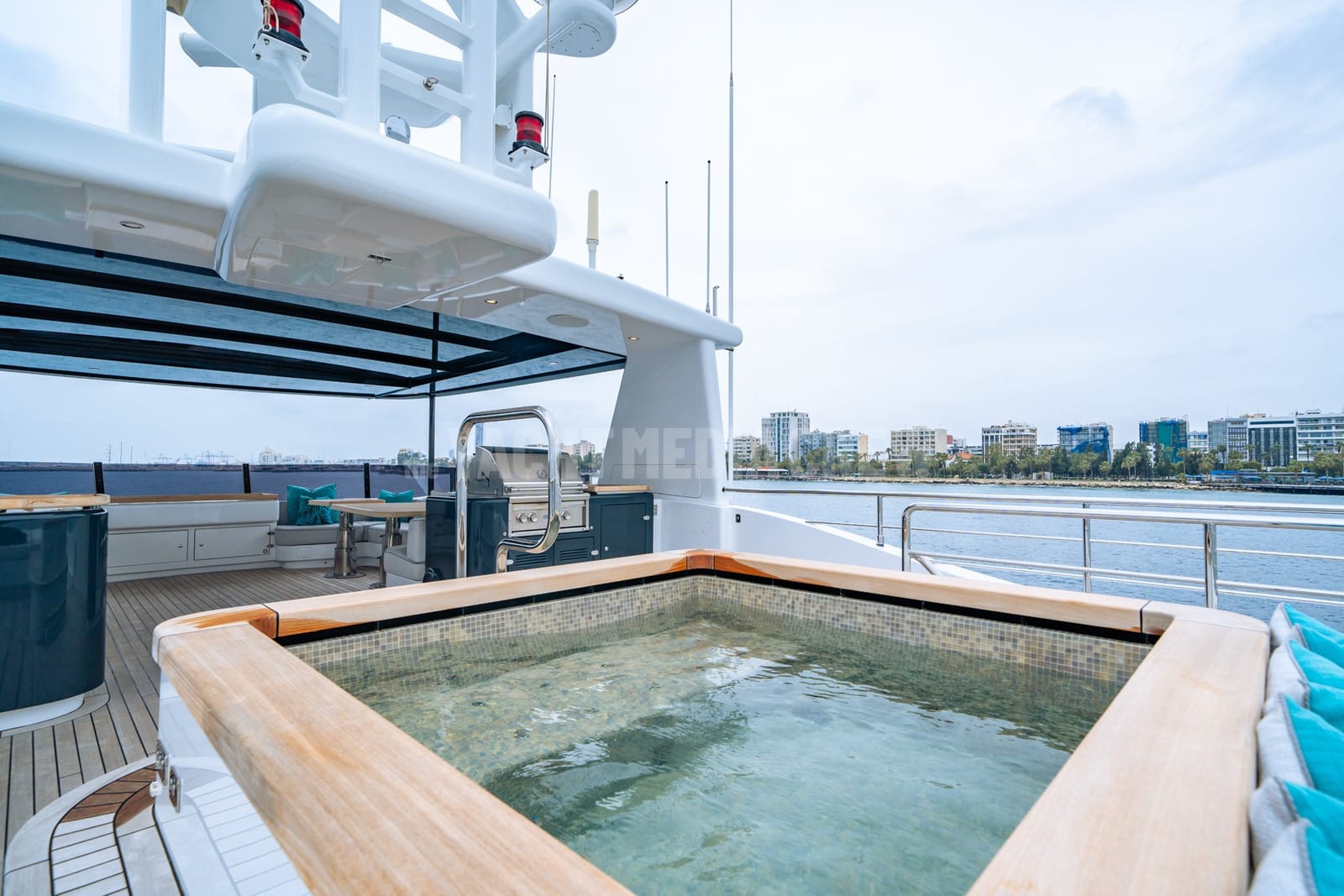
Retouching tools powered by AI have changed what is possible after a difficult shoot. They can clean up the noise that comes with high ISO in low light, recover detail in a flat grey sky, remove raindrops that landed on the lens or on the glass, and erase small distractions such as a stray fender or a puddle on the deck in a fraction of the time it used to take.
Used well, they save images that would otherwise have been lost, and they let the photographer spend more time on the craft of editing: colour, contrast and the mood of the whole set. A heavy sky can be given back its depth, and a grey sea some of its colour, while keeping the atmosphere of the day.
The rule does not change, though: AI should improve the photograph, not invent the yacht. The hull, the decks, the layout and the surroundings must stay true, especially on a sales listing where buyers expect to see exactly what they will visit. And no software replaces a well-composed frame shot at the right moment; retouching works best on images that were already strong.
Honest images, whatever the sky
Whatever the tools, a listing must still show the yacht as she really is. The goal on a bad-weather day is not to fake a sunny one; it is to use preparation, flexibility and experience to deliver images that do the yacht justice.
When there is no second chance, that experience is what gets the shot done. It is part of the job, and one of the reasons we love it.